The Homeowner’s Guide to Garage Door Jambs
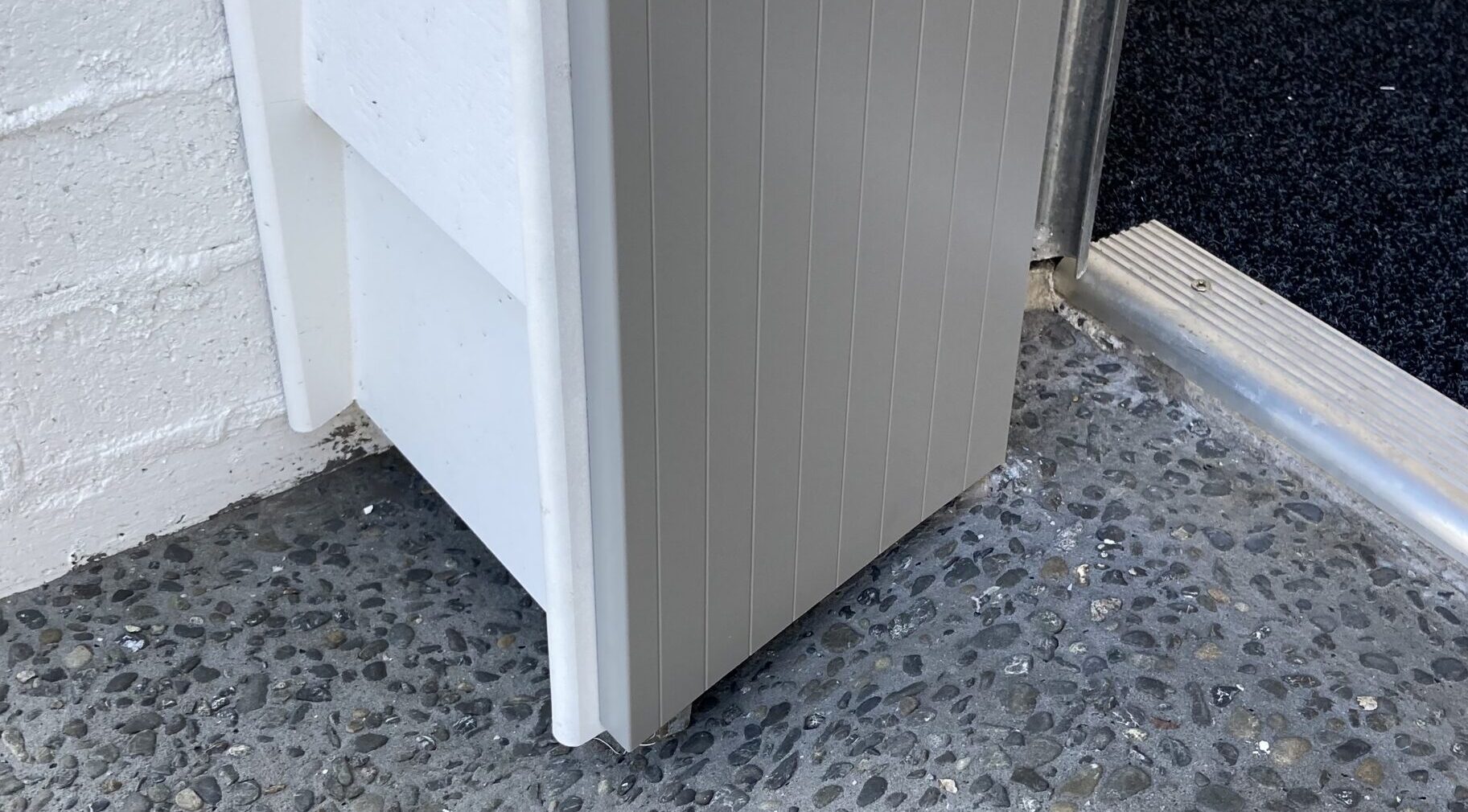
The jamb is the frame around your garage door opening. Most people don’t give it a second look until the paint peels or the base goes soft. Aluminium garage door jambs are the longer-lasting alternative to timber, and they’re worth a look before that happens.
The jamb helps keep weather out of your walls, finishes the front of your home and takes knocks every day. Here’s what you need to know.
In this guide:
- What the jamb actually does
- What changes when it’s aluminium instead of timber
- What to expect when it goes in
- When to decide on it so it’s not an afterthought
Kinetic Access is the Ali-Jamb agent in Christchurch and Auckland. We supply and install aluminium garage door jambs alongside the doors that sit inside them.
1. What the jamb actually does
A garage door jamb comes in three pieces: a head across the top and one side down each edge of the opening. It has four jobs.
- It protects the framing. The jamb covers the framing around the opening, so it isn’t exposed to weather and knocks.
- It helps keep water out. Together with your cladding, it sheds rain away from the wall. This is the job most people don’t know it does.
- It finishes both sides of the wall. Outside, it’s the clean edge between the cladding and the door. Inside, it’s the trim where the garage wall lining stops.
- It seals against the door. A weather seal on the jamb helps keep out draughts and dust.
So when a jamb fails, it’s rarely just a looks problem. Water getting in around the opening can damage the framing behind it.
2. What changes when it’s aluminium instead of timber
Both do the same four jobs. The difference is how well they keep doing them.
| Timber jamb | Ali-Jamb aluminium | |
| Weather | Soaks up water, swells, and can rot at the base | Doesn’t rot, swell or warp |
| Finish | Painted on site, then repainted every few years | Powder coated in a Dulux colour before it arrives |
| Knocks | Dents, gouges and splits from cars, bikes and trailers | Handles everyday knocks better. A damaged section can be replaced |
| Inside the garage | Separate trim, fitted and painted | Trim built in, so the garage wall finishes neatly |
| Ongoing care | Sanding and repainting | A wash a few times a year |
Our weather is hard on timber. In Christchurch, hot nor’west summers dry it out and winter frosts work into every crack in the paint. In Auckland, damp winters and humid summers keep it wet for longer.
What doesn’t change
- It still needs to be installed properly. A badly fitted jamb of any material can let water in.
- It still needs a wash. Powder coat lasts longest when it’s kept clean.
- Right on the coast, check first. More on that in Part 4.
3. What to expect when it goes in
On a new build
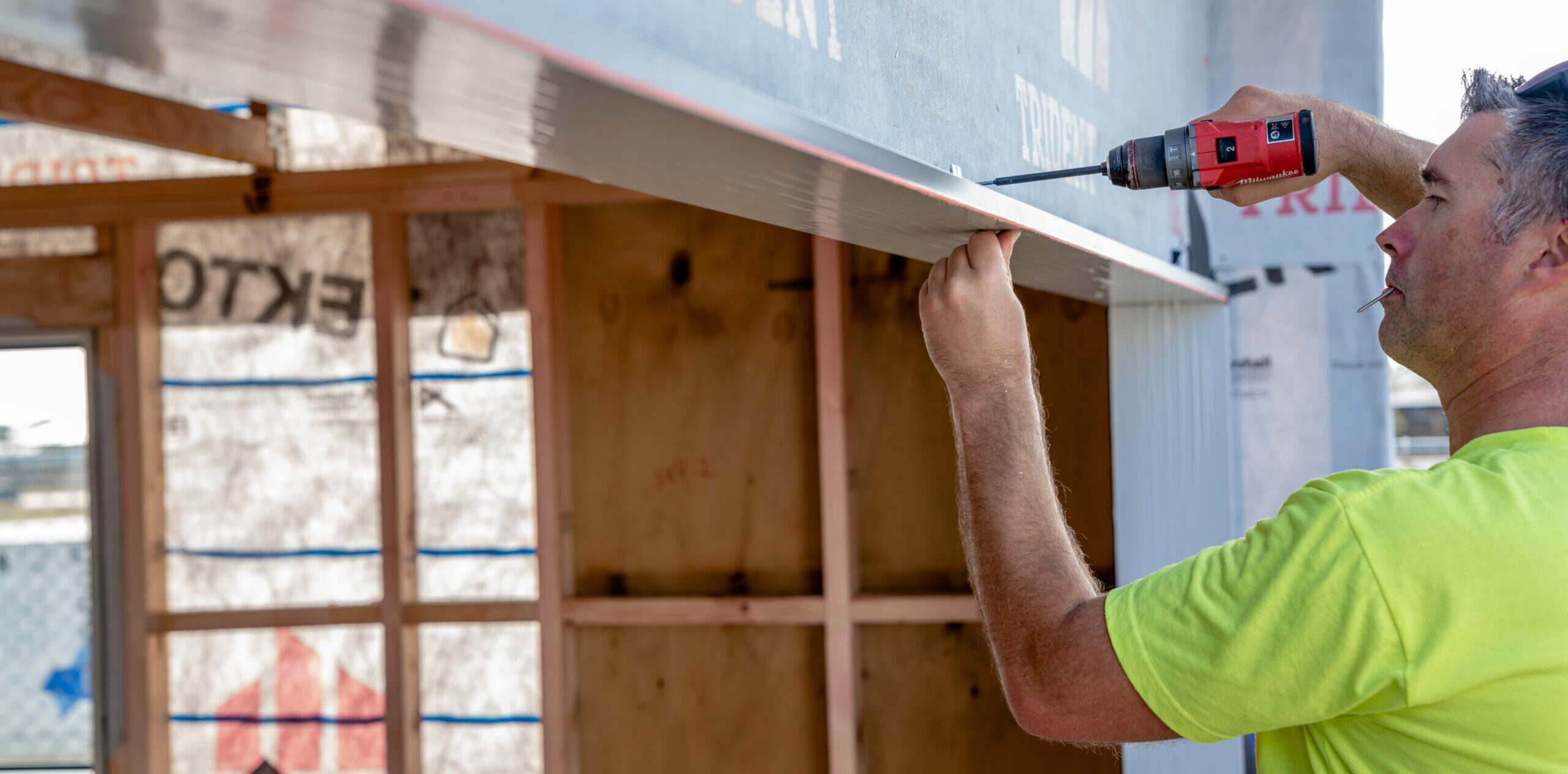
You probably won’t see it happen. The jamb goes in once the framing is up and before the garage walls are lined. It’s finished against your cladding, and then the door goes in.
What matters for you is that it’s chosen and ordered in time. That’s Part 4.
Replacing a timber jamb on an existing home
- We measure the opening and check your cladding type.
- We remove the old timber jamb.
- We check the framing behind it. If the old jamb has been letting water in, this is where it shows up, and we’ll tell you before going any further.
- We fit the new jamb and finish it against your cladding. Some claddings need a scriber, a thin strip shaped to close the gap neatly.
You’ll know what’s involved and how long it takes before you say yes.
4. When to decide on it so it’s not an afterthought
If you’re building, decide on the jamb when you choose your garage door, cladding and window joinery. Not once the cladding is on. Here’s why.
- Choose the jamb with the door and joinery and everything matches. Choose it last and you’re matching to whatever’s already on order.
- It’s made to measure. Aluminium garage door jambs are made to suit your framing and cladding, so those need to be settled first.
- It’s made to order. Allow around four to six weeks (will be installed with your garage door)
- It’s easy to miss. If the jamb isn’t on the plans, timber is what usually goes in.
- Right on the coast? Tell us early. Homes close to the sea can need a tougher powder coat, and a few beachfront sites aren’t suitable for it at all. If you’re building somewhere like Sumner or Auckland’s Eastern Bays, we’ll check your site first.
Four questions to ask your builder
- Is the garage door jamb timber or aluminium?
- Will the jamb colour match the door and window joinery?
- Does being near the coast change the finish I need?
- Who’s supplying and fitting it, and when?
Why use Kinetic Access for Ali-Jamb
- We’re the Ali-Jamb agent for Canterbury and Auckland, supplying and installing aluminium garage door jambs
- We supply and install garage doors too, so the jamb and door are planned together
- A proper measure and a straight quote before any work starts
- Local teams in St Albans, Christchurch and East Tamaki, Auckland
Garage door jamb FAQs
How long does it take to fit?
On a new build, it’s a short job. Replacing an old timber jamb takes longer because the old one has to come out first. We’ll give you a timeframe with your quote.
What colours can I choose?
Any colour in the Dulux powder coat range. Most people match the garage door or window joinery.
Will aluminium garage door jambs suit my house?
Most likely. Ali-Jamb works with most claddings, including brick veneer, weatherboard and plaster. Some need a scriber to finish neatly. We check at the measure.
Are aluminium garage door jambs dearer than timber?
It depends on the opening and whether it’s a new build or a replacement. When you compare, factor in what timber costs to keep painted over the years. We’ll quote you straight so you can weigh it up.
Get the jamb sorted with the door
Building? Put the jamb on your list with the door, cladding and joinery. Send us your plans or opening sizes and we’ll quote it straight.
Timber jamb looking tired? Spring is a good time to check the outside of the house after winter. If the base is soft or the paint is peeling, we’ll measure it and tell you what the job needs.
- Christchurch: 295 Cranford Street, St Albans. Phone 03 352 8005
- Auckland: 67A Allens Road, East Tamaki. Phone 09 274 2220